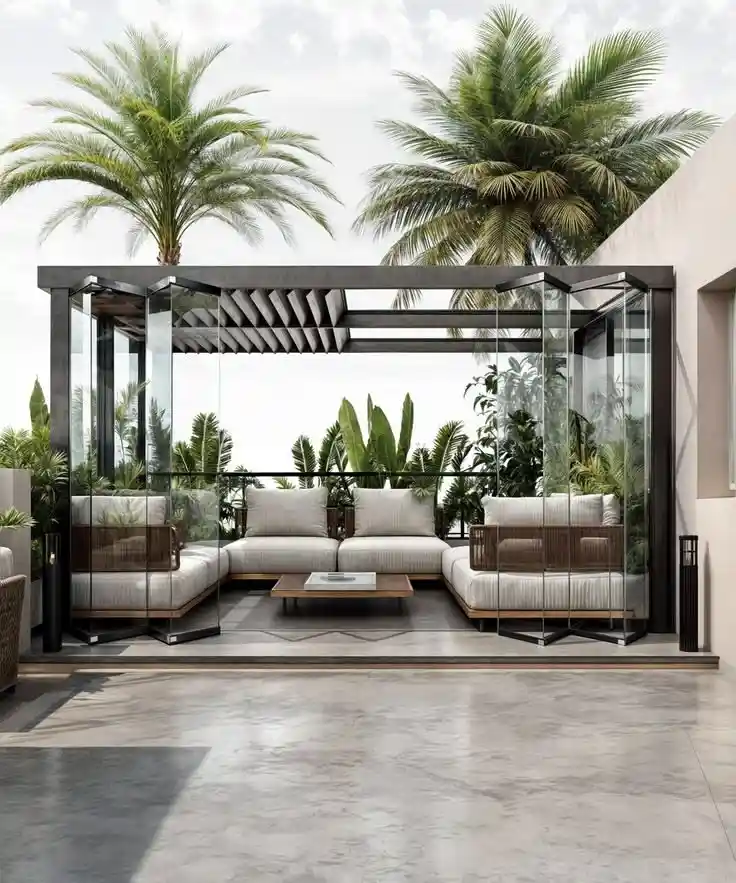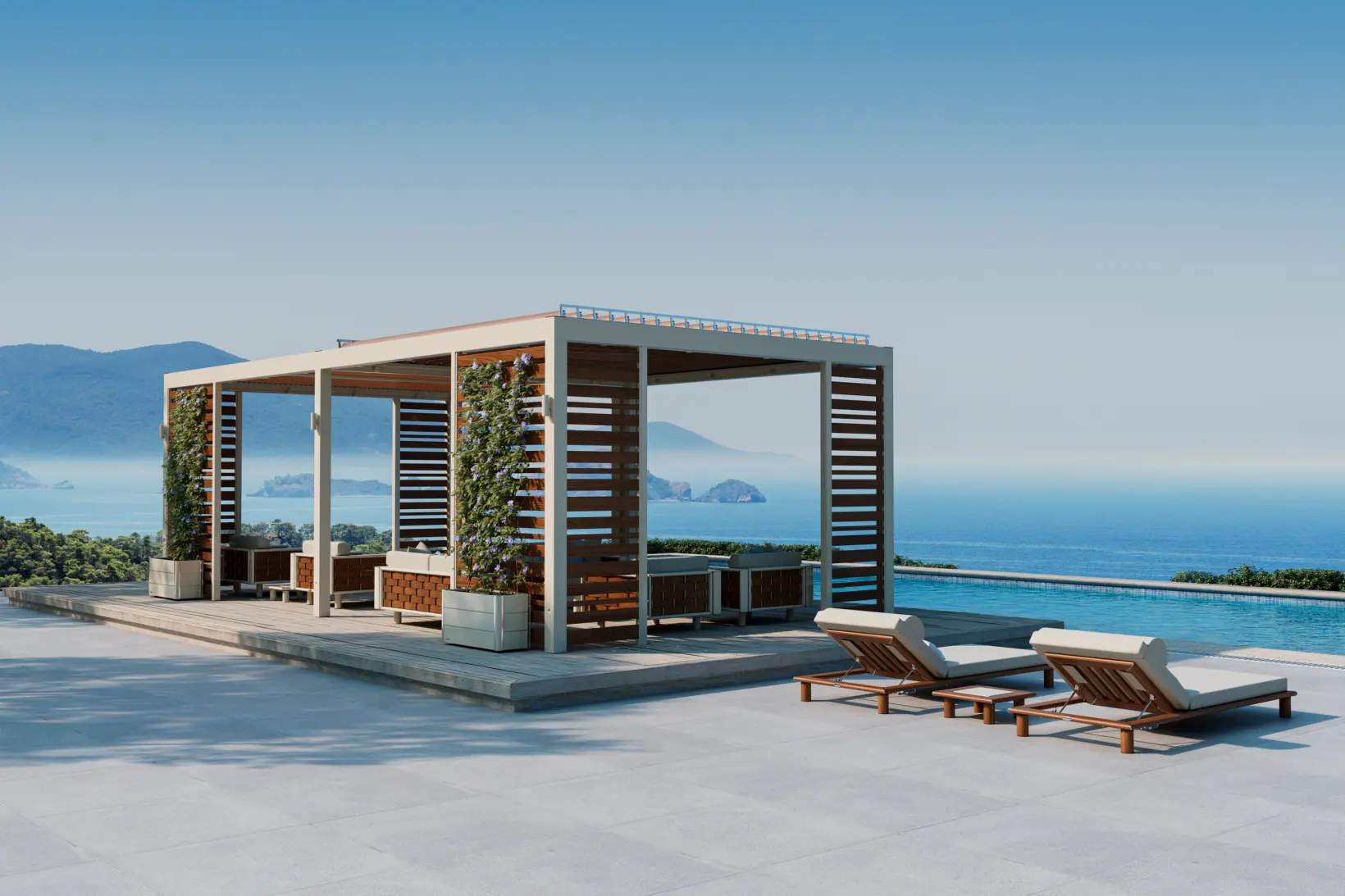

There is a shift in interiors that feels quiet but inevitable. Biophilic design has been talked about for years, but now it’s starting to shape furniture in a way that feels less conceptual and more lived-in. It isn’t about cramming a room with plants or overloading spaces with motifs of nature. It’s subtler. It’s in materials, shapes, textures, even the way furniture sits in a space. It brings nature in without pretending, without performance.
Furniture in this trend is grounded in tactility and presence. Wood, stone, rattan, woven fibers, natural dyes, metals that aren’t polished to perfection—these are more than materials. They carry context. They hint at forests, rivers, soil, sunlight. They don’t scream “nature” with pattern or color. They suggest it, anchor it in the room.

Texture and Touch
The first thing noticed in biophilic design interior is tactile. Smooth veneers give way to rougher grains. Slight imperfections, subtle irregularities, edges that aren’t perfectly straight. A table may vary across its surface. A bench might have tone changes that catch the eye. These are small human touches that echo nature—no two branches, stones, or leaves are the same. Surfaces invite touch without forcing it.
Woven chairs, rattan consoles, fiber-covered ottomans—they all bring tactility and lightness. Patterns, small variations in fibers, the way sunlight hits ridges and gaps—it creates a subtle dynamism. Biophilic furniture almost makes light tangible. It bends, diffuses, dances across surfaces.
Form and Flow
Shapes tend to echo nature too. Rounded edges, flowing lines, asymmetry. Sofas that curve gently. Coffee tables that follow the natural line of a slab of wood. Shelving that staggers, as if branches have been captured in structure. Straight lines and right angles are still present, of course, but softened, paired with textures and materials that ground them.
This is why curved sofas, live-edge tables, and sculptural chairs have become so common in biophilic interiors. They introduce movement, a gentle rhythm. Spaces feel slower, more deliberate. Human in scale. Even minimal interiors feel inhabited, alive, thoughtful.
Material Honesty
Materials are central. Wood, stone, woven fibers, natural textiles—all these speak to biophilic principles. They age visibly, respond to light and touch. A teak table slowly silvering outdoors, a rattan lounge softening, linen cushions fading—these aren’t flaws. They’re part of the story, the experience. Surfaces do not pretend permanence; they evolve.
Synthetic alternatives mimic natural textures while adding durability. Resins, polymer wicker, engineered stone—they allow tactile complexity indoors and outdoors without sacrificing longevity. The point isn’t imitation; it’s connection through texture, irregularity, and human scale.
Color as Nature
Colors are subtle. Muted browns, ochres, deep greys, sunlit ambers, soft neutrals. Rarely bright, rarely primary. Even small furniture pieces carry tone variation, streaks, and nuance. A chair may be darker at edges than center. A tabletop may shift in shade along its length. These subtleties echo natural gradation without being overt.
Pairs and groupings follow the same principle. Wicker with stone, rattan with linen, wood with soft textiles. Colors support context rather than dominate. They hint at nature instead of mimicking it literally.

Indoor-Outdoor Continuity
A key trait is fluidity. Furniture flows between indoors and outdoors. Sectionals, dining chairs, lounge chairs—outdoor-grade pieces appear in sunrooms, living rooms, bedrooms. The goal isn’t to blur lines artificially. It’s coherence. Spaces feel connected to natural cycles and rhythms.
Outdoor materials survive sun, rain, humidity but retain tactility. Indoors, they ground spaces, giving weight to corners and framing activity without overpowering textiles, metals, or glass. The furniture adds rhythm and presence without dominating.
Tactile Rhythm
Interaction of touch and pattern is central. Woven surfaces, uneven grains, carved edges, subtle tone variation—these introduce gentle rhythm. A coffee table edge may be irregular. A chair’s weave may fluctuate. These aren’t flaws—they signal craft, care, and context.
Tactile rhythm also mediates scale. Large sofas, despite size, feel approachable. Small tables or benches structure corners and circulation without overbearing the space. Furniture interacts with people, shaping light, shadow, and movement naturally.
Aging Gracefully
Furniture ages intentionally. Fibers soften, tones deepen, edges mellow. Even synthetic wicker or fibers attempt to mimic this natural evolution. Surfaces change subtly over time, reinforcing presence, authenticity, and interaction with natural processes. Furniture becomes a living participant in the interior.
Statement Without Noise
Despite texture, pattern, and irregularity, biophilic pieces rarely dominate. A curved sofa, a woven chair, a live-edge table—they take space but don’t shout. Shadows, light, and human movement animate them. They anchor a room without forcing attention. Interiors gain rhythm and scale while remaining open and breathable.
Even large pieces retain tactility. Surfaces, curves, patterns engage the eye while letting the space breathe. Movement and presence give interiors life rather than visual noise.

Quiet Authority
The appeal of biophilic furniture is in balance. It isn’t decorative in the obvious sense. It doesn’t rely on prints, colors, or patterns to make a statement. It asks little but gives much: texture, tactility, warmth, subtle narrative, durability. Interiors feel deliberate, human-scaled, alive.
Furniture interacts with light, shadow, movement, and time. Chairs, sofas, tables carry presence, gently shaping circulation, touch, and perception. They frame human activity while leaving space for spontaneity.
The trend endures because it satisfies something elemental: a desire for tactility, presence, and connection in a world of smooth, sterile, disposable surfaces. Biophilic furniture reminds spaces—and those inhabiting them—that craft, texture, and subtle storytelling matter. It doesn’t demand attention, yet quietly shapes how rooms feel, move, and breathe.
A rattan chair by a sunlit window. A live-edge table in a dining area. A curved sofa in a living room. Each piece introduces rhythm, texture, tactility, and calm. They remind a space of the natural world without performing it.
And that is the quietly persistent power of biophilic furniture. It shapes interiors, guides perception, and connects people to the world outside, without ever needing to perform.