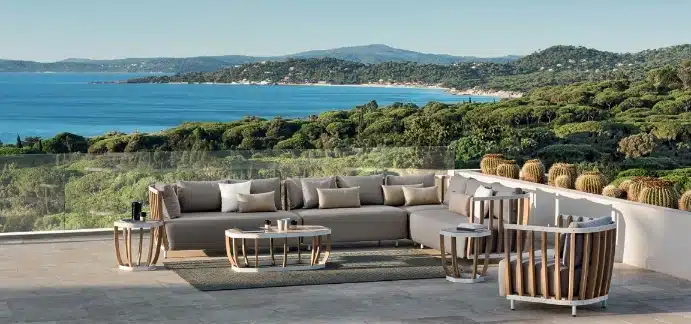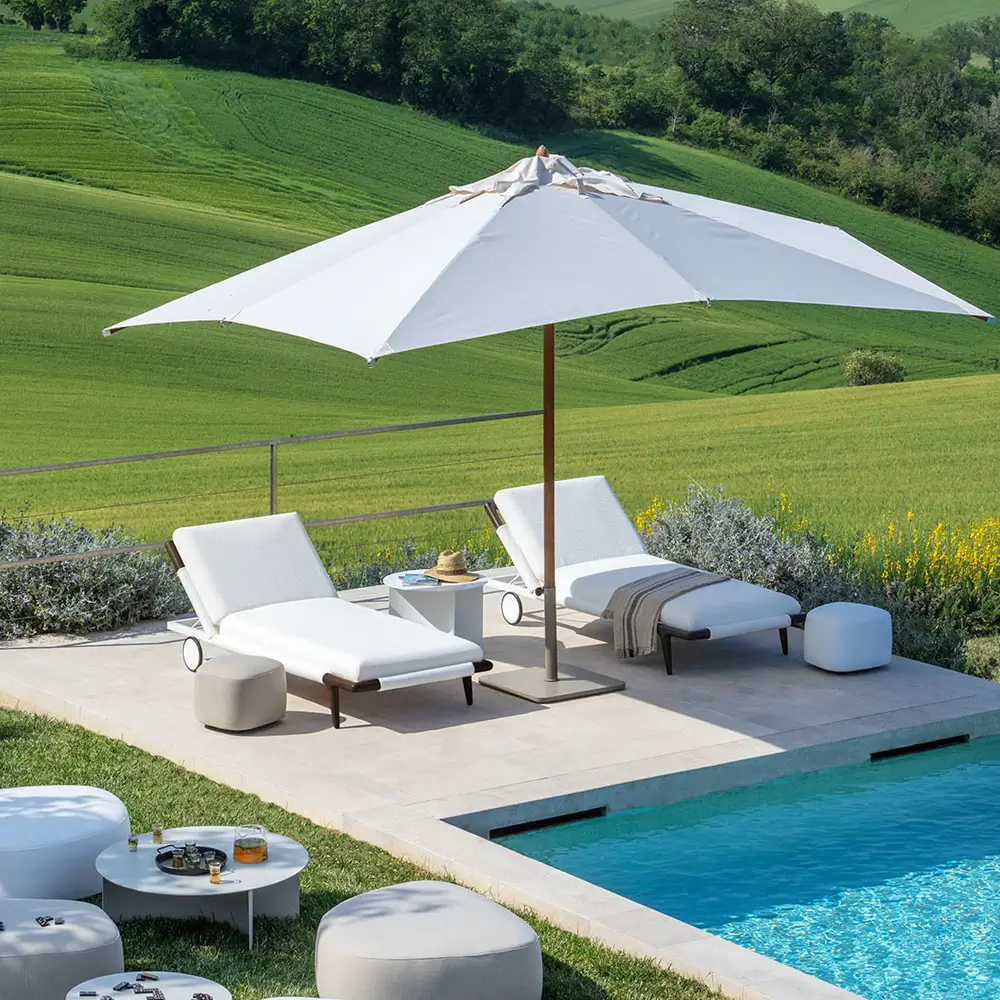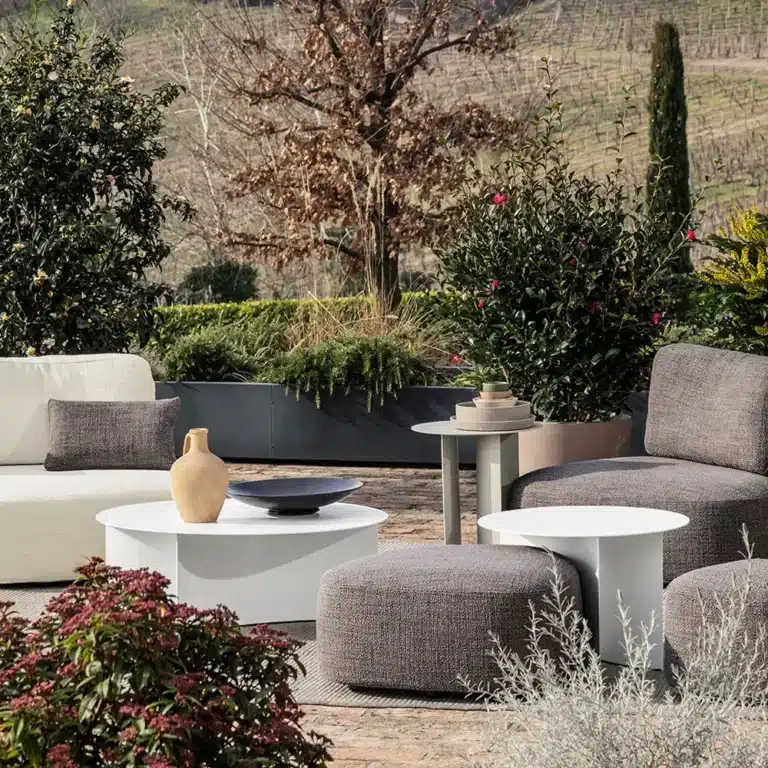


Outdoor benches are a great way to add seating and style to your patio, deck, or garden. They come in various styles, materials, and price points, so you can find the perfect one to fit your needs and budget. In this guide, we’ll discuss the different types of outdoor benches available and the factors you should consider when choosing one. We’ll also provide some tips on caring for your outdoor bench so that it lasts for years to come.
Best Outdoor Benches for Every Style
With hundreds of options available, choosing the right outdoor bench comes down to matching the piece to your space, your climate, and how you actually use it. Here are the best outdoor benches for every type of garden and outdoor setting.
Best for classic gardens : the teak garden bench
A teak garden bench is the benchmark everything else is measured against. Naturally weather-resistant, incredibly durable, and only more beautiful as it ages, teak suits everything from formal English gardens to relaxed Mediterranean terraces. Look for mortise-and-tenon joinery and sustainably sourced timber as marks of genuine quality. Browse our teak garden benches.
Best for modern spaces : the aluminium bench
For contemporary gardens and urban outdoor spaces, an aluminium bench is the smartest choice. Rust-proof, lightweight, and available in a wide range of powder-coated finishes, it handles year-round outdoor exposure without any maintenance. Clean lines and a minimal profile mean it complements rather than competes with modern architecture.
Best for coastal or poolside :the resin wicker bench
Resin wicker benches bring warmth and texture to outdoor spaces that see a lot of sun and humidity. Unlike natural rattan, synthetic resin wicker is fully weatherproof, it won’t fade, crack, or unravel in coastal conditions. Pair it with weather-resistant cushions in a neutral linen or stripe for an effortlessly relaxed look.
Best statement piece : the sculptural concrete bench
For gardens where the bench is the focal point, a concrete bench makes an undeniable statement. Solid, permanent, and architectural in character, it suits contemporary courtyard gardens and large open outdoor spaces where a lightweight piece would simply disappear. No cushions needed and no maintenance either.
Best all-rounder :the powder-coated steel bench
If you want one bench that works in almost any garden, powder-coated steel is the answer. Strong enough for year-round outdoor use, light enough to move when needed, and available in finishes from classic black to warm bronze and sage green. A well-chosen steel bench works equally well in a traditional garden or a modern outdoor room.
Types of Outdoor Benches
Not all outdoor benches are built the same. From classic garden seating to sculptural statement pieces, here’s a breakdown of the most common types and what each one does best.
Wooden Benches
Wooden benches are the most timeless choice for outdoor seating. Teak, oak, and acacia are the most popular species — each naturally resistant to moisture and decay. They can be left to weather to a silvery-grey patina or oiled regularly to maintain their warm original tone. Best for gardens, patios, and entryways where you want a classic, natural look.
Metal Benches
Metal benches — typically crafted from powder-coated steel, wrought iron, or aluminium — are among the most durable options available. Wrought iron brings an ornate, traditional character, while aluminium offers the same strength at a fraction of the weight. Ideal for year-round outdoor use in any climate.
Concrete Benches
Concrete benches are built to stay put. Heavy, structural, and virtually indestructible, they suit permanent garden installations, courtyards, and commercial outdoor spaces. Modern concrete benches have moved well beyond utilitarian slabs — many now feature smooth finishes, minimalist forms, and designer detailing.
Wicker & Rattan Benches
Wicker and rattan benches bring warmth and texture to outdoor spaces. Synthetic resin wicker has largely replaced natural rattan for outdoor use — it looks identical but handles sun, rain, and humidity far better. A great choice for covered patios, loggias, and relaxed garden settings.
Plastic & Resin Benches
Plastic benches are the most low-maintenance option on the market. Lightweight, easy to clean, and available in a wide range of colours, they’re a practical choice for poolside areas, balconies, and anywhere that sees heavy use or frequent rearranging.
Storage Benches
Storage benches combine seating with hidden compartments underneath the seat — perfect for stowing cushions, garden tools, or outdoor accessories. They work especially well on smaller patios and balconies where every piece of furniture needs to earn its space.
Garden Benches
The garden bench is a category of its own — typically a two- or three-seater with a classic silhouette, often in teak or painted metal, designed to sit at the end of a path, beneath a tree, or against a garden wall. Less about function, more about creating a moment in the landscape.
What Is the Best Material for an Outdoor Bench?
Teak is the best material for an outdoor bench. It is naturally weather-resistant, rot-proof, and requires minimal maintenance. For a lower-cost alternative, powder-coated aluminium offers excellent durability in all climates. Concrete and wrought iron suit permanent installations, while resin wicker works best in covered or sheltered outdoor spaces. Browse our teak. Browse our teak benches collection on Niche Beverly.
Factors to Consider When Choosing an Outdoor Bench
When choosing an outdoor bench, there are a few factors you should consider:
- Size: The size of the bench should be appropriate for your available space. If you have a small patio, you’ll need a smaller bench. You can get away with a larger bench if you have a large patio.
- Shape: Outdoor benches come in various shapes, including round, square, and rectangular. The shape of the bench is a matter of personal preference.
- Material: The material of the bench is important because it will affect its durability and weather resistance. Wood and metal benches are the most durable options, while plastic and wicker benches are less durable.
- Color: Outdoor benches come in various colors, so you can choose one that matches your décor.
- Price: Outdoor benches range from around $50 to $500. The price of the bench will depend on its size, shape, material, and color.
Outdoor Bench Materials: Pros, Cons & Best For
The material you choose determines how your bench holds up over years of sun, rain, and daily use. Here’s how the most popular options compare:
| Material | Pros | Cons | Weather resistance | Best for |
|---|---|---|---|---|
| Teak | Naturally rot-proof, ages beautifully, minimal upkeep | Higher price point | Excellent — handles all climates | Gardens, patios, year-round outdoor use |
| Aluminium | Lightweight, rust-proof, low maintenance | Can feel less substantial than wood | Excellent — ideal for coastal areas | Modern spaces, balconies, poolside |
| Wrought iron | Extremely durable, classic ornate character | Heavy, can rust if coating chips | Good — needs occasional touch-ups | Traditional gardens, permanent installations |
| Concrete | Indestructible, sculptural, no maintenance | Very heavy, difficult to move | Excellent — unaffected by weather | Courtyards, commercial spaces, large gardens |
| Resin wicker | Warm look, lightweight, easy to clean | Best suited to covered areas | Moderate — avoid prolonged direct rain | Covered patios, loggias, sheltered terraces |
| Plastic & resin | Most affordable, zero maintenance, easy to move | Less premium appearance | Excellent — fully weatherproof | Poolside, balconies, high-traffic areas |
Not sure which material suits your space? The simplest rule: match the material to how exposed your space is. Full sun and rain year-round, go teak or aluminium. Covered or sheltered area, wicker or resin works beautifully. Permanent fixture that never moves, concrete or wrought iron.
Browse our full range of outdoor benches by material; teak, aluminium, wrought iron, and concrete, all sourced from Italy’s leading outdoor design houses at Niche Beverly.
Garden Bench Design: Styles for Every Outdoor Space
A garden bench does more than provide a place to sit — it anchors the entire feel of an outdoor space. The design you choose sets the tone for everything around it. Here are the styles that work best for different garden aesthetics.
Classic
The classic garden bench is defined by slatted wood, gentle curves, and a silhouette that has remained almost unchanged for over a century. Typically crafted from teak or painted hardwood, it suits formal gardens, manicured lawns, and heritage-style properties. Position it at the end of a garden path or beneath a mature tree for maximum effect.
Modern & Minimalist
Clean lines, flat surfaces, and a restrained material palette define the modern garden bench. Aluminium, concrete, and untreated teak are the go-to materials — chosen for their ability to age gracefully without fuss. These benches disappear into the landscape rather than commanding it, making them ideal for contemporary homes with open, uncluttered outdoor spaces.
Mediterranean
Mediterranean garden bench design draws from the outdoor living traditions of Italy, Spain, and southern France. Think warm tones, natural materials, and a relaxed generosity of form. Teak with linen cushions, wrought iron with terracotta surroundings, or powder-coated aluminium in earthy sand and bronze finishes all fit this aesthetic beautifully. Best paired with olive trees, stone paving, and terracotta pots.
Sculptural & Statement
For gardens where the bench is the focal point rather than the backdrop, sculptural designs make their presence known. Curved concrete forms, asymmetric wooden structures, and architecturally considered pieces from designers like Gandiablasco and Ethimo turn a functional seat into a piece of outdoor art.
Explore our full collection of garden benches at Niche Beverly — each piece selected from Italy’s finest outdoor design houses, and built to be as beautiful as the spaces they inhabit.
Tips for Caring for Your Outdoor Bench
To keep your outdoor bench in good condition, it’s important to care for it properly. Here are a few tips:
- Clean the bench regularly. Use a mild soap and water solution to clean the bench. You can also use a hose to rinse the bench.
- Protect the bench from the elements. If you live in an area with harsh weather, you may want to cover the bench when it’s not in use.
- Store the bench in a dry place when it’s not in use. This will prevent it from getting moldy or mildew.
- Replace the cushions if they become damaged. Damaged cushions can make the bench uncomfortable to sit on.
An outdoor bench is a great way to add seating and style to your patio, deck, or garden. With so many different types of outdoor benches available, you can find the perfect one to fit your needs and budget. Following the tips in this guide, you can choose an outdoor bench that will last for years.

FAQs
What is the best material for an outdoor bench?
The best material for an outdoor bench depends on your needs and budget. A metal bench is a good choice if you are looking for a durable and weather-resistant bench. However, metal benches can be heavy and expensive. A plastic bench is a good choice if you are looking for a lightweight and affordable bench. However, plastic benches are not as durable as metal benches.
What size outdoor bench do I need?
The size of the outdoor bench you need will depend on your patio or deck size. You will need a large bench to provide adequate seating if you have a large patio. You can get away with a smaller bench if you have a small patio.
Visit Niche Beverly today to browse our selection of outdoor benches. We have various styles and sizes, so you’ll find the perfect bench to add style and seating to your patio, deck, or garden.