

Origin and Evolution of Coffee Tables:
Coffee tables have been around for centuries, but the concept of a low table for serving beverages and snacks emerged in the 17th century in Europe. Initially, these tables were called “tea tables,” as tea was the preferred drink of the upper class at that time. Tea tables were typically smaller than modern coffee tables and were used in formal drawing rooms to serve tea to guests.
As coffee became more popular in the 18th and 19th centuries, the tea table began to evolve into the coffee table we know today. In the 1920s, the term “coffee table” was coined to describe the low, long table in front of the sofa in a living room. Since then, coffee tables have become a staple of modern interior design.
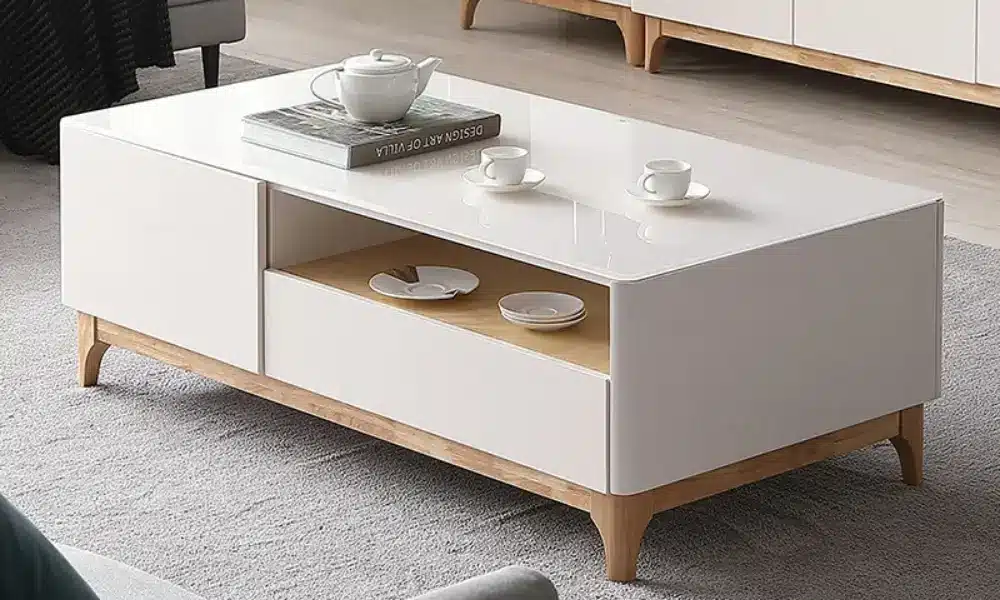
Tea Table vs Coffee Table: What’s the Difference?
While the terms are often used interchangeably today, tea tables and coffee tables have distinct origins, sizes, and purposes — and understanding the difference can help you choose the right piece for your space.
Origins
The tea table came first. Originating in 17th-century Europe, it was a small, elegant table designed specifically for serving tea to guests in formal drawing rooms. Tea was a luxury drink of the upper class at the time, and the tea table reflected that — delicate in scale, refined in detail, and central to the social ritual of afternoon tea.
The coffee table followed later. As coffee overtook tea in popularity through the 18th and 19th centuries, the low table in front of the sofa evolved to serve a broader, more casual purpose. By the 1920s, the term “coffee table” had been coined to describe what we know today.
Size & Height
Tea tables are typically smaller and slightly taller than coffee tables — designed for serving, not lounging. Coffee tables sit lower to the ground (usually 16–20 inches), aligned with sofa seat height for comfortable reach.
Style
Tea tables tend toward traditional and ornate styles — think carved wood legs, fine inlays, and delicate proportions. Coffee tables span every aesthetic, from minimalist marble slabs to industrial metal frames.
How They’re Used Today
A tea table works beautifully in a reading nook, bedroom corner, or beside an armchair — anywhere you need a small, refined surface. A coffee table anchors the living room, serving as a functional centerpiece for drinks, books, remotes, and décor styling.
At Niche Beverly, we carry both — crafted by Italy’s finest furniture makers. Whether you’re drawn to the elegance of a classic tea table or the versatility of a modern coffee table, there’s a piece designed for exactly your space.
Styles and Designs of Coffee Tables Over the Years:
Over the years, coffee tables have gone through various styles and designs. Here are a few notable ones:
Art Deco Coffee Tables:
Art Déco Coffee Tables (1920s–1930s)
The Art Déco movement of the 1920s and 1930s brought one of the most distinctive chapters in coffee table design. Defined by bold geometry, luxurious materials, and a celebration of craftsmanship, Art Déco tables were as much sculptural statements as they were functional furniture.
Key characteristics of the style included:
- Geometric shapes — stepped bases, chevron patterns, sunburst motifs, and strong angular silhouettes replaced the organic curves of earlier eras
- Lacquered wood — high-gloss lacquer finishes in black, cream, and deep jewel tones gave tables a polished, theatrical presence
- Ebonized finishes — dark-stained wood, often ebonized oak or walnut, added drama and a sense of weight and formality
- Exotic materials — shagreen, tortoiseshell inlays, and chrome accents reflected the era’s fascination with luxury and the exotic
The influence of Art Déco never truly left furniture design. You’ll find echoes of it in many contemporary pieces — the clean lines, the contrast of light and dark, the commitment to surface detail.
Explore our collection of Art Déco-inspired coffee tables at Niche Beverly, each sourced from Italy’s leading design houses.
Mid-Century Modern Coffee Tables:
The 1950s and 60s saw the rise of the Mid-Century Modern style, which emphasized simplicity, functionality, and clean lines. Mid-Century Modern coffee tables were often made of wood and had simple, streamlined designs.
Contemporary Coffee Tables:
Today, coffee tables come in various styles and designs to fit any interior decor. Contemporary coffee tables may feature unique shapes, materials, and finishes and often prioritize functionality and versatility.
Overall, the history of coffee tables is an exciting reflection of the evolution of furniture design and the changing needs of society. From the formal tea table of the 17th century to the modern, multifunctional coffee tables of today, coffee tables continue to be an essential part of any living room or lounge area.

Coffee Table Materials: Pros, Cons & Best For
The material you choose sets the tone for your entire living room. Here’s how the most popular options compare:
| Material | Pros | Cons | Best for |
|---|---|---|---|
| Wood | Durable, timeless, easy to refinish, works in any style | Can scratch or warp in humid conditions | Traditional, rustic, Scandinavian, and mid-century rooms |
| Marble | Luxurious look, heat-resistant, every slab is unique | Heavy, prone to staining if unsealed, higher price point | Contemporary, Art Déco, and high-end interiors |
| Glass | Makes small rooms feel larger, easy to clean, visually light | Shows fingerprints easily, can chip or crack | Modern and minimalist spaces |
| Metal | Extremely durable, industrial character, low maintenance | Can feel cold, scratches show on polished finishes | Industrial, urban loft, and contemporary rooms |
| Marble & Metal | Best of both — sculptural and sturdy | Heavier and less flexible to move | Statement living rooms with a designer aesthetic |
Not sure which material is right for your space? The simplest rule: match the heaviest material in the room. If your sofa is a chunky linen sectional, go for wood or marble. If your space is light and minimal, glass or metal will complement it without competing.
Browse our full range of coffee tables by material — wood, marble, glass, and metal — all sourced from Italy’s finest design houses at Niche Beverly.
Design principles of coffee tables
Let’s discuss the design principles of coffee tables, including their proportions, shape, and height, and how to choose the right coffee table for your room and seating arrangement.
Proportions:
The proportions of a coffee table are a vital factor to consider when choosing the right table for your space. Ideally, a coffee table should be about two-thirds the length of your sofa. The height of the table should also be proportional to the seating arrangement. A general rule of thumb is that the table should be the same height as the cushions on your sofa or slightly lower.
Shape:
The shape of your coffee table should complement the shape of your room and seating arrangement. Rectangular or oval-shaped coffee tables are popular for larger rooms, while round or square tables work well in smaller spaces. If you have a sectional sofa, a round or oval-shaped coffee table can help balance out the angles of the sofa.
Height:
The height of your coffee table should be appropriate for your seating arrangement. A coffee table that is too high or too low can be uncomfortable and awkward. As mentioned earlier, the height of the table should be proportional to the cushions on your sofa or slightly lower.
Choosing the Right Coffee Table:
When choosing the right coffee table for your room and seating arrangement, consider the style and material of the table. A coffee table that complements your interior decor style can tie the room together and create a cohesive look. Additionally, consider the functionality of the table. Do you need storage space or a table with a lift-top for dining? These features help you choose the right table for your needs.
Trends in coffee table designs
Let’s talk about the latest trends in coffee table designs, popular styles and designs of coffee tables in current times, and how to incorporate trendy coffee tables into your home decor.
Latest Trends:
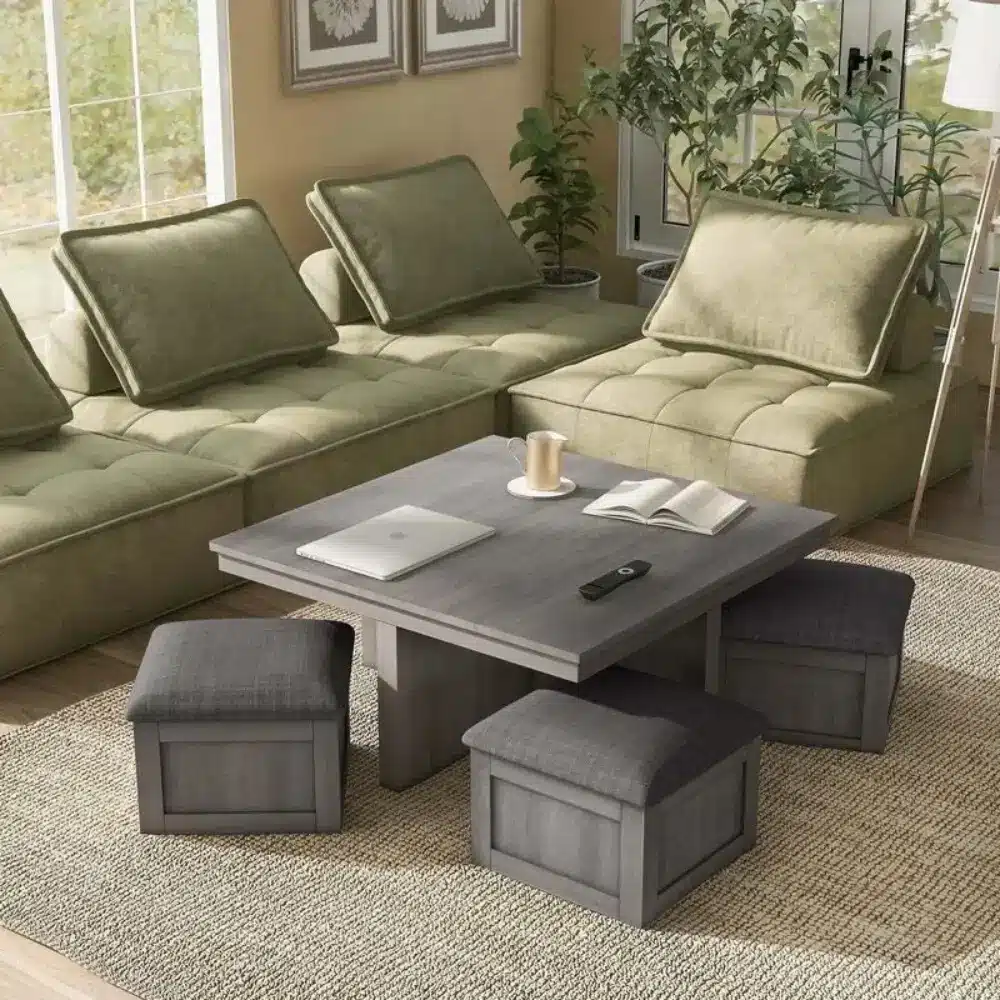
The latest trends in coffee table designs include using unconventional materials such as concrete, terrazzo, and resin and incorporating natural elements such as wood and stone. Multi-level coffee tables with added storage space and lift-top tables for dining are also popular trends.
Popular Styles and Designs:
Mid-century modern-style coffee tables remain widespread, with clean lines and a minimalist aesthetic. Rustic and industrial-style coffee tables are also trendy, featuring raw materials and distressed finishes. Mirrored and glass coffee tables add a touch of elegance and glamour to a room. Organic shapes and curves, such as kidney and bean-shaped coffee tables, are also gaining popularity.
Incorporating Trendy Coffee Tables:
When incorporating a trendy coffee table into your home decor, consider your room’s existing style and color scheme. Choose a coffee table that complements your decor and adds interest without overwhelming the space. A unique coffee table can be a focal point in a room, but be sure to balance it with other decorative elements. Also, consider the functionality of the table and how it can serve your needs.
In summary, the latest trends in coffee table designs include using unconventional materials, multi-level tables, and lift-top tables. Popular styles include mid-century modern, rustic, industrial, and glass coffee tables. When incorporating a trendy coffee table, consider the existing style of your room and the functionality of the table.
What makes a coffee table a functional and aesthetically pleasing addition to a living room?
A coffee table can be a functional and aesthetically pleasing addition to a living room when it meets specific criteria:
Size and Proportions: A coffee table should be proportional to the size of the room and the surrounding furniture. It should be a manageable size in relation to the seating arrangement.
Shape: The coffee table should complement the shape of the room and the surrounding furniture. For example, a rectangular coffee table may work better in a room with a rectangular sofa, while a round coffee table may be more suitable for a curved sectional.
Height: The height of the coffee table should be appropriate for the seating arrangement. A coffee table that is too high or too low can be uncomfortable.
Material: The material of the coffee table should be durable and easy to maintain. Wood, Glass, metal, and stone are common materials used for coffee tables.
Storage: A coffee table with added storage space can be a functional addition to a living room, allowing easy access to books, magazines, and other items.
Style: The coffee table should complement the room’s decor. Choosing a coffee table that fits the room’s overall style can enhance its aesthetic appeal.
When all these factors are considered and balanced, a coffee table can be functional and aesthetically pleasing, making it a valuable addition to a living room.
What innovative ways have coffee tables been used in modern interior design?
Coffee tables have been used in many innovative ways in modern interior design. Here are a few examples:
Multifunctional coffee tables: Coffee tables with built-in storage, lift tops, or even built-in refrigerators have become popular in modern design. These tables provide both a functional and stylish addition to any living room.
Artistic coffee tables: Coffee tables have been transformed into artistic statement pieces featuring unique and creative designs. For example, some coffee tables feature a base of stacked books or a glass top displaying a seashell collection.
Oversized coffee tables: Large, big coffee tables have become a trend in modern interior design. These tables make a bold statement and can be used as a centerpiece in a large living room.
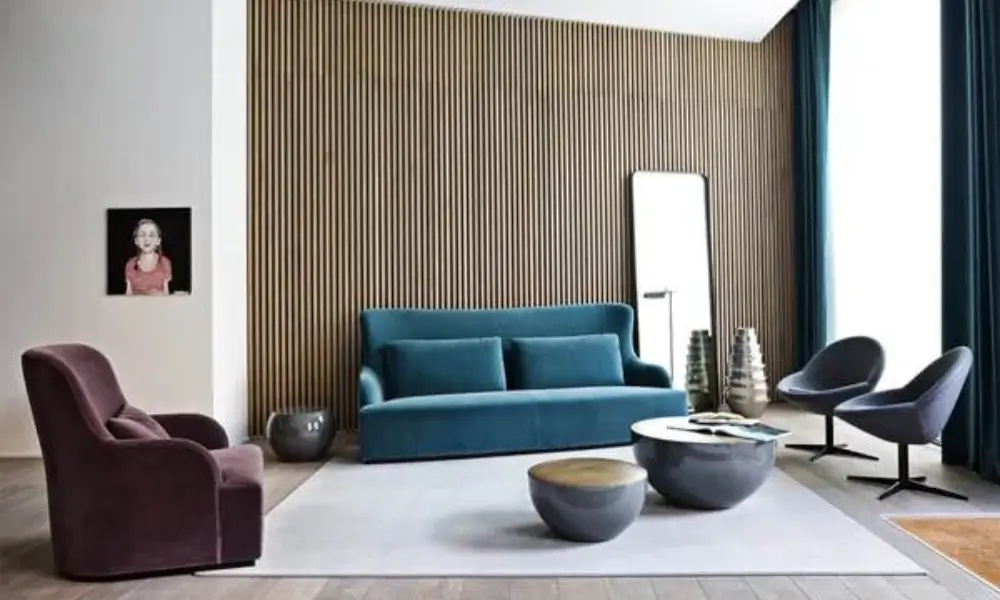
Mix and match coffee tables: Designers have started to use two or smaller coffee tables instead of one large table. This allows for more flexibility in seating arrangements and adds visual interest to the room.
Outdoor coffee tables: Coffee tables are no longer limited to indoor use. Outdoor coffee tables made of weather-resistant materials like metal and teak are now available, making creating a comfortable and stylish outdoor living space easy.
Overall, modern interior design has embraced the coffee table as a versatile and functional piece of furniture. From multifunctional to artistic designs, coffee tables can add style and functionality to any living space.
FAQs:
How much should I pay for a coffee table?
The cost of a coffee table can vary greatly depending on factors such as material, size, and design.
What is the latest trend for coffee tables?
The newest trend for coffee tables includes multifunctional tables, artistic statement pieces, and oversized tables. Mix-and-match coffee tables are also becoming more popular.
Is it better to have a coffee table or not?
A coffee table is unnecessary, but it can add functionality and style to a living room. It can provide a surface for placing drinks or snacks, and it can also be a decorative centerpiece.
Do people still use coffee tables?
Yes, coffee tables are still widely used in living rooms as a functional and decorative pieces of furniture.
What kind of coffee table is the best?
The best coffee table for you will depend on your taste and the style of your living room. Consider size, material, and design when choosing a coffee table.
What are the 5-coffee table rules every room needs?
Choosing the right coffee table isn’t guesswork — these five rules will get it right every time.
Grouping — If you prefer two smaller tables over one large one, treat them as a set. Keep them at the same height and within the same material family so they read as intentional, not mismatched.
Height — Your coffee table should sit within 1–2 inches of your sofa’s seat height. The standard range is 16–20 inches tall. Too low and it feels out of reach; too high and it throws off the whole room.
Width — Aim for your coffee table to be roughly two-thirds the length of your sofa. A 90-inch sofa pairs well with a 60-inch table. This keeps proportions balanced without overcrowding the space.
Clearance — Leave at least 18 inches between the coffee table and your sofa. This gives people enough room to walk around it comfortably and stand up without bumping into it.
Visual weight — Match the weight of the table to the weight of your sofa. A large, overstuffed sectional needs a solid, substantial table. A sleek linen sofa suits a lighter glass or thin-legged design.
Is it OK for a coffee table to be lower than a couch?
Yes, a coffee table can be lower than a couch as long as it is still within comfortable reach for placing items on the table.
Should your coffee table be as long as your couch?
No, your coffee table does not have to be as long as your couch. It should be proportional to the size of the room and the seating arrangement.
Do coffee tables make a room look bigger?
A coffee table alone may not make a room look bigger, but the right coffee table can complement the overall design and flow of the room, creating an illusion of more space
Explore More at Niche Beverly


