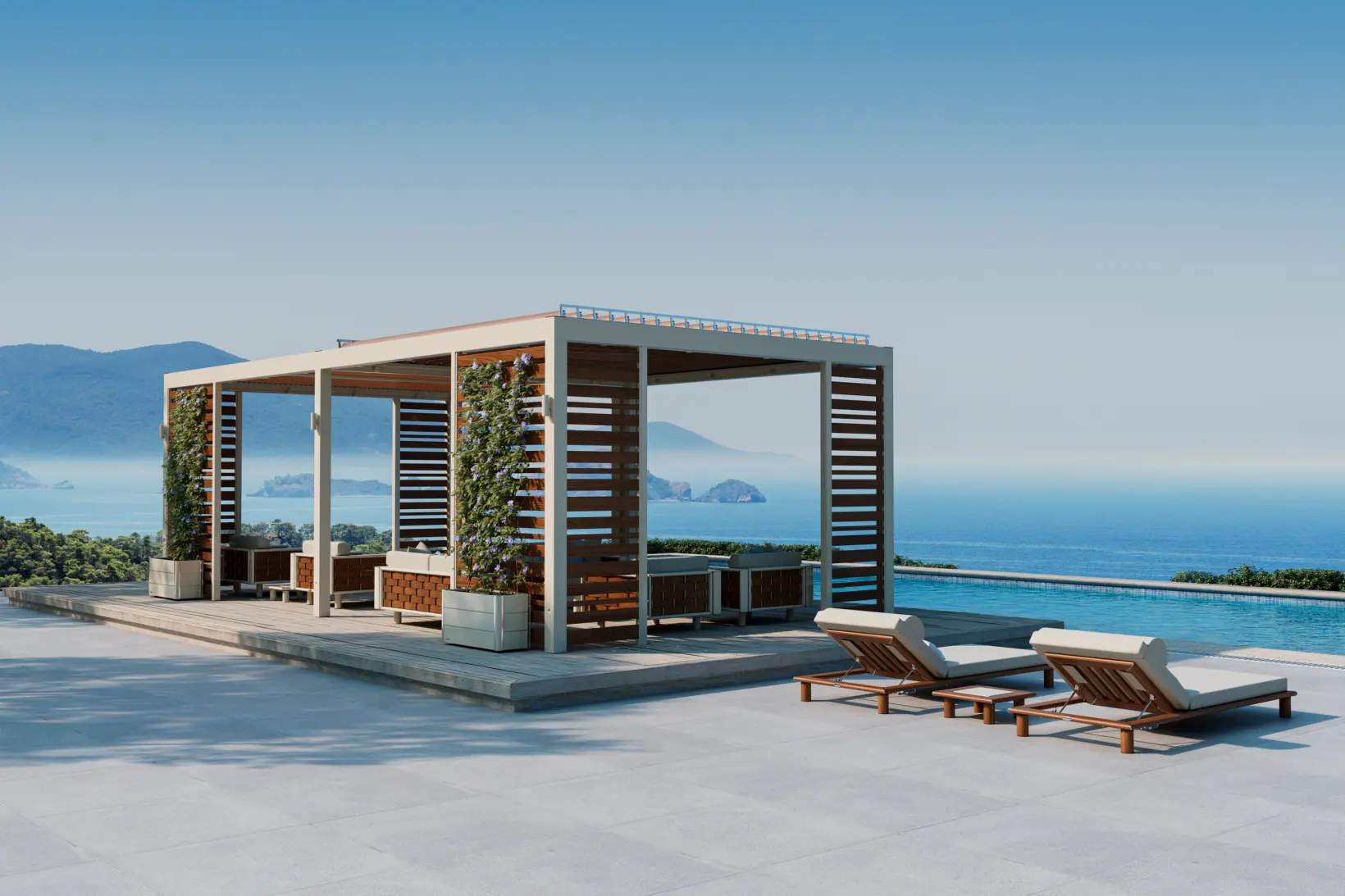

A porch is one of those architectural elements that sits on the edge of utility and possibility. It’s shelter, but not quite indoors. It’s outdoors, but sometimes lacking purpose. Until recently, many porches existed in that ambiguous zone — a place where packages were dropped, a brief break happened on the way to the garden, or maybe an old swing barely saw use. But in 2026, there’s a more compelling way to think about porches: as outdoor living rooms, spaces that function with intention and atmosphere rather than simply existing. Porch transformation ideas now focus on turning these transitional spaces into rooms that are used, felt, and lived in.
Transforming a porch isn’t about ticking boxes on a to‑do list. It’s about unearthing potential, noticing how light plays on the floor at twilight, or how a shift in roof design changes how the space is lived in. People aren’t just renovating porches to have a prettier entryway; they’re reimagining them as stages for life — where mornings are slower, evenings linger, and seasons feel more like experiences. These porch transformation ideas often emphasize furniture, shelter, lighting, and subtle boundaries that define the space without enclosing it.
Rethinking What a Porch Actually Is
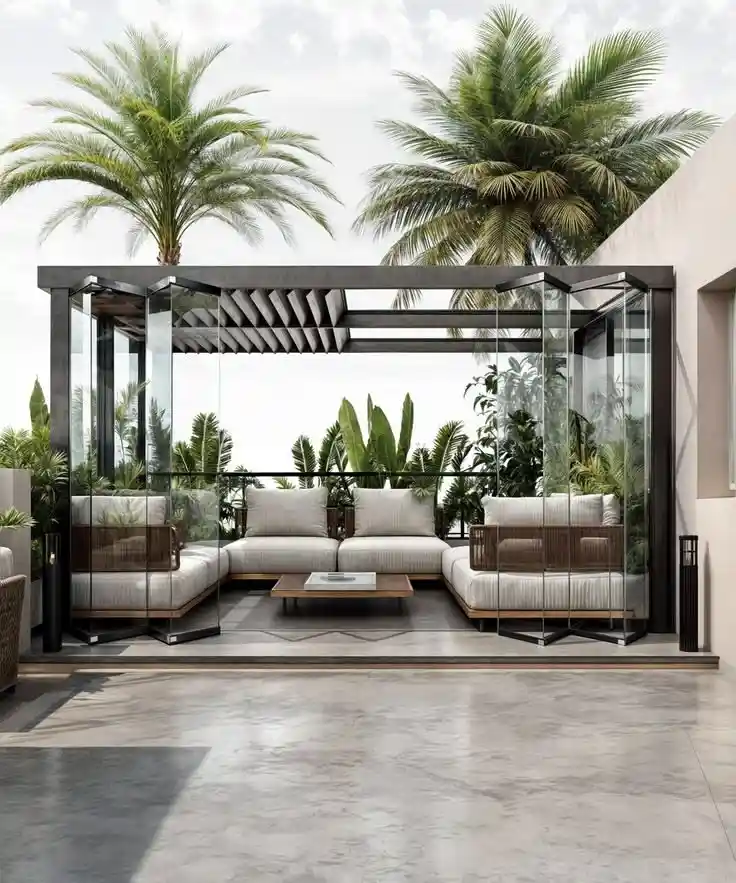
There’s a sentence hidden in most porch renovation guides that people tend to gloss over: the difference between a porch and an outdoor room often comes down to semantics. That sounds almost too philosophical until the moment the space starts to feel like an extension of everyday life. Is a porch un‑room? Or is it just a room without walls? The line blurs once a roof, defined edges, and furnishings start to signal that the space is meant for staying, not just passing through. Porch transformation ideas focus precisely on this threshold, exploring how subtle adjustments in structure, furniture, and layout can turn an in-between space into a true outdoor living room.
By 2026, the very concept of what constitutes a room has softened. Environments that once felt transitional — porches, decks, open patios — are being treated as cores of living. A porch can sit somewhere between indoor comfort and outdoor freedom. Materials, roof lines, furniture, and even how wind moves through the space start to matter more than whether the area meets a literal definition of a “living room.” These porch transformation ideas often emphasize creating zones, layering light and shade, and introducing furnishings that invite use throughout the day and across seasons.
The Roof Overhead
A porch often has some form of overhead protection — a simple overhang, a slatted pergola, or a more solid roof. But as people rethink these spaces, the roof becomes an active participant in how the space functions. Light and shade under a simple roof can be static and predictable, but swap that for a more adjustable system and suddenly the porch feels like a stage whose lighting can be tuned for different times of day.
There’s also a crossover now between classic porch roofs and the kinds of engineered patio covers typically sold as pergolas. Some Renson pergola systems, for example, blur the line between a traditional open porch and a more controlled outdoor room by offering adjustable blades and shelter from rain while keeping air and light moving. It’s a quiet nod toward customizing how the space breathes without erecting walls.
For many, loosening the rigidity of the roof — not turning it into an insulated ceiling, not trying to fully enclose it — allows the porch to remain connected to the garden while feeling more deliberate as a usable space.

Boundaries Without Walls
Most indoor rooms have clear boundaries: walls, doors, windows. An outdoor living room doesn’t need them, but it does need some sense of definition. A porch with a vague edge doesn’t feel like a lived space. What gives definition is not necessarily structure, but intention. Whether it’s using screens for insect control, strategic planting around the perimeter, or partial panels that hint at enclosure without shutting out the air, those edges make a porch feel like a room that can be lived in.
Walls aren’t absent; they’re just more flexible. Screens can soften breezes without blocking view. Half walls can create a sense of enclosure without turning the space inward. Even a string of potted plants can mark a boundary that feels deliberate instead of makeshift.
The key isn’t solidity — it’s clarity. The porch stops feeling like an entryway and starts feeling like a destination.
Furnishing the Space for Purpose
Rooms are defined by how they’re used. A porch with a couple of mismatched chairs doesn’t read as a living room. It reads as storage for chairs. A proper outdoor living room requires furniture that invites linger — a sofa with cushions that aren’t buried under tarp in the winter, a table that feels like it belongs there, side tables that serve glasses and books without minding the occasional breeze.
Furniture also needs to take weather and exposure into account. Outdoor fabrics that can handle dampness without becoming musty. Woods that age into a patina rather than decay. Metal finishes that shrug off rain. These aren’t just practical decisions; they shape the character of the room.
Plants become more than decoration. They’re structural, vertical elements that give the porch depth. Large ferns, potted palms, or cascading vines soften rigid angles and make the space feel more like a garden room than a transitional gap between house and yard.
Light and Atmosphere
Light is one of those things that doesn’t get discussed until it’s missing. Indoors, lighting fixtures are deliberate. Outdoors, people are often surprised at how important it becomes. A porch outfitted only with whatever bulb hangs above the entry feels like an entry, not a room. Proper lighting — layered, subtle, adjustable — changes a porch’s personality after sunset.
The trick isn’t brightness but nuance. Soft wall sconces, hidden LEDs casting gentle glows upward, candles in glass holders that catch the breeze — these don’t turn a porch into a living room overnight, but they hint at comfort and intention. The space stops being a spot to pass through and starts to feel like a place to stay.
Enveloping the Senses
Outdoor living rooms aren’t just about sight. Sound, scent, and touch shape the experience just as much. The rustle of leaves in a breeze, the bark of boards under bare feet, the smell of rain on wood — all become part of the room’s palette. Furniture choices that account for these sensory elements — rugs that catch dew without holding it indefinitely, pillows that don’t smell of mildew, surfaces that welcome bare hands — make the porch feel like an intentional environment, not half‑finished outdoor space.
Outdoor heaters, fire pits, sound systems, and even strategically placed plantings can turn the space into something that’s comfortable when the air cools, not just when the sun hangs high. The porch doesn’t become enclosed, but it does become livable.
Seasons and Use
One of the oddest shifts in outdoor space design is the move toward thinking about seasons as part of the room, not enemies of the room. Instead of abandoning the porch in fall or spring, people are outfitting these spaces so they remain useful, even if only for parts of the day. Shade screens, partial walls, roll‑down panels, overhead shelter — none of these fully enclose the porch, but they do make it feel like a room with varying degrees of openness.
Some people seem reluctant at first to change a porch too much, worried about losing that breezy openness. But the opposite often happens: once a porch feels like a destination rather than an in‑between space, it gets used more, and in more seasons.

An Outdoor Room Is What You Make It
In the end, transforming a porch into an outdoor living room isn’t about copying a formula. There’s no checklist of elements that suddenly make it official. The place becomes what it’s treated as. Spacious or narrow, sheltered or open, the porch starts functioning as a room the moment someone begins to live there: morning coffee stretches into hour‑long conversations, dinner under lantern light feels settled rather than rushed, evenings extend outside simply because they can.
Architectural tweaks matter, sure — the right shade, the right maybe‑closing panel, the right lighting — but they are means to the same end: a space that feels complete. A porch that reads as an outdoor living room in 2026 is less defined by walls and more by intention, atmosphere, and how it responds to the life unfolding within it.